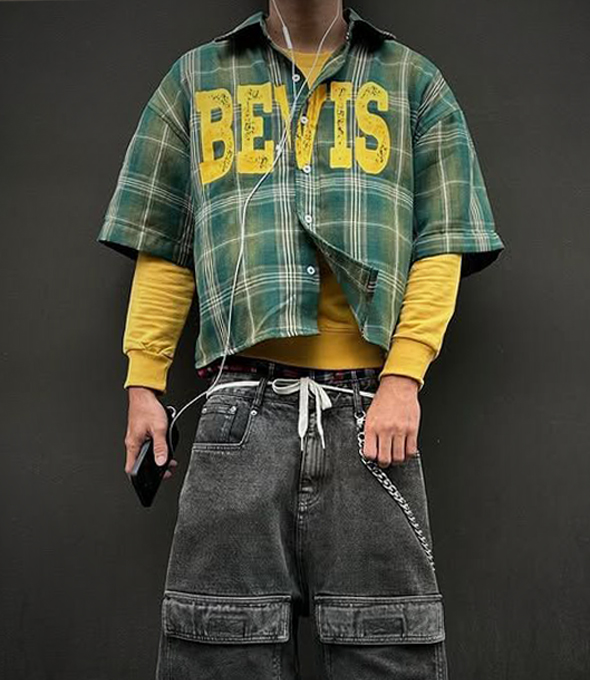
How does men's OEM streetwear tracksuit manufacturing support brand identity?
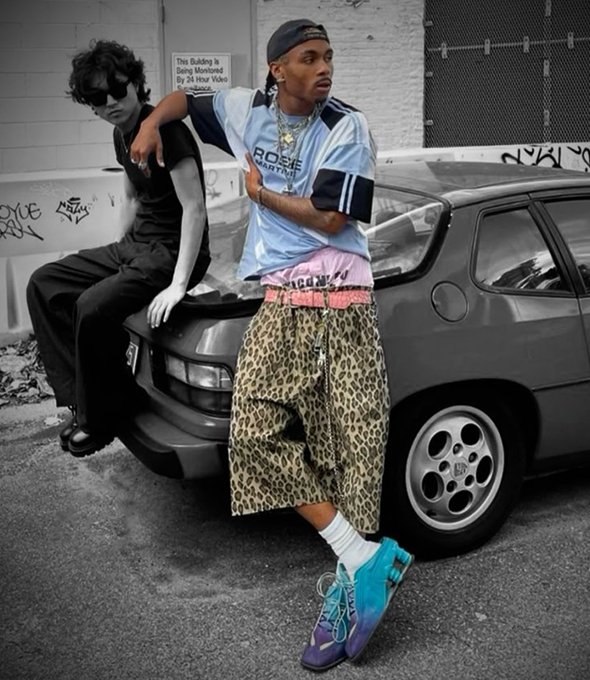
What makes a cut and sew tracksuit factory suitable for premium streetwear labels?
A custom tracksuit looks cohesive on a mood board, but aligning fabric shrinkage, dye lots, and pattern grading across a heavyweight hoodie and matching sweatpants is where most production runs fail. When independent brands with real traction attempt to scale their collections, they often discover that a factory capable of making a decent t-shirt might completely ruin a complex two-piece set. The reality of streetwear manufacturing is that it is not just about sewing garments together; it is about engineering a silhouette that holds its shape, maintaining color consistency across different fabric rolls, and ensuring that the wash effects do not destroy the structural integrity of the final product.
For established streetwear brands, the transition from single-item drops to full cut and sew tracksuits introduces a new layer of technical complexity. A premium tracksuit is not merely a top and a bottom sold together. It is a unified product that requires synchronized fabric sourcing, precise pattern development, and rigorous sample-to-bulk alignment. When procurement teams evaluate a cut and sew tracksuit factory, they are not just looking for sewing capacity. They are looking for a streetwear production partner that understands how heavyweight fleece behaves under tension, how an oversized fit changes the drape of a jogger, and how to execute complex wash techniques without causing batch-level variation.
Why is cut and sew tracksuit manufacturing more complex than basic apparel production?
Cut and sew tracksuit manufacturing requires precise alignment of fabric weight, dye lots, and shrinkage rates across top and bottom pieces. Unlike basic apparel, premium streetwear tracksuits demand custom pattern development, complex wash techniques, and strict sample-to-bulk consistency to maintain silhouette balance and color uniformity.
The fundamental challenge of producing a premium tracksuit lies in the synchronization of materials. When a brand develops a heavyweight hoodie and a matching pair of sweatpants, both pieces must be cut from the exact same dye lot. If a factory sources the fleece for the hoodies from one batch and the fleece for the joggers from another, the final set will exhibit a slight but noticeable color mismatch. This is a common issue in generic apparel manufacturing, but for premium streetwear labels, a mismatched tracksuit is unsellable. A specialized cut and sew streetwear factory mitigates this risk by controlling the fabric sourcing process and ensuring that top and bottom panels are cut from the same roll of fabric whenever possible.
Beyond color consistency, shrinkage control is a critical factor that separates a specialized streetwear manufacturer from a standard clothing factory. Heavyweight cotton and French Terry fabrics naturally shrink when exposed to heat and moisture during the dyeing and washing processes. If the shrinkage rate is not accurately calculated during the pattern development stage, the final garments will suffer from severe silhouette imbalance. For example, a 400gsm hoodie might shrink differently than the matching sweatpants if the fabric tension during the knitting process was inconsistent. Procurement teams must ensure that their manufacturing partner conducts rigorous pre-production shrinkage tests and adjusts the tech pack accordingly before bulk cutting begins.
Furthermore, the construction details of a premium tracksuit require specialized machinery and skilled operators. Features such as hidden zipper pockets, custom metal aglets, paneled hoods, and articulated knee seams are standard in high-end streetwear but are often too complex for factories accustomed to producing basic promotional wear. A true cut and sew tracksuit factory understands that these details are not just aesthetic choices; they are structural components that dictate how the garment performs. When evaluating a potential partner, product development teams should review the factory's sewing tolerance and their ability to execute complex garment construction without compromising the fabric's hand-feel or durability.
What should product development teams check before approving a heavyweight tracksuit sample?
Product development teams must verify fabric hand-feel after washing, pattern grading accuracy for oversized fits, and hardware durability. Approving a heavyweight tracksuit sample also requires testing print or embroidery placement to ensure it withstands the tension of 400gsm+ fleece without distortion.
When a pre-production sample arrives, the evaluation process must go far beyond simply checking if it looks like the tech pack. For heavyweight tracksuits, the first critical check is the fabric weight and hand-feel. A 400gsm or 500gsm fleece might feel substantial right off the cutting table, but its true character is only revealed after it has been washed. Product teams must wash the sample multiple times to observe how the fabric behaves. Does it become stiff and uncomfortable? Does the surface develop excessive pilling? A premium streetwear brand relies on a luxurious hand-feel, and if the fabric loses its softness after a standard home wash, the bulk production will inevitably lead to customer complaints.
The next crucial step is validating the pattern grading, particularly for oversized and boxy fits. A common mistake made by inexperienced factories is simply scaling up a standard block pattern to create an "oversized" look. This results in hoodies with awkwardly long sleeves and sweatpants with excessive bunching at the ankles. A specialized streetwear clothing manufacturer understands that an oversized fit requires engineered pattern development. The shoulders must be dropped precisely, the chest widened without adding unnecessary length, and the armholes adjusted to maintain mobility. Procurement teams must try the sample on fit models across different sizes to ensure that the intended silhouette balance is maintained throughout the entire size run.
Decoration techniques on heavyweight fabrics also present unique challenges that must be verified during the sample approval stage. If a tracksuit features a large screen print or a dense embroidery patch, the product team must inspect how these elements interact with the thick fleece. Heavyweight cotton has a significant amount of natural stretch, and if an embroidery design is too dense, it can cause the surrounding fabric to pucker and distort. Similarly, puff prints or high-density screen prints must be tested for cracking. A reliableOEM streetwear manufacturerwill conduct stretch and wash tests on the decorated panels before assembling the sample, ensuring that the graphics remain intact under tension. Procurement teams should physically stretch the printed areas of the sample to check for proper ink adhesion and flexibility.
How do wash techniques impact bulk production risk for custom tracksuits?
Wash techniques like acid wash or enzyme wash alter fabric structure and dimensions, increasing bulk production risk. If a cut and sew tracksuit factory lacks strict batch-level wash control, brands face severe color mismatching and inconsistent sizing between hoodies and joggers.
Wash techniques are a defining characteristic of modern streetwear, but they introduce a significant level of unpredictability into the manufacturing process. When a brand specifies an acid wash, stone wash, or enzyme wash for a custom tracksuit, they are essentially asking the factory to intentionally degrade the fabric to achieve a specific aesthetic. This degradation affects both the color and the physical dimensions of the garment. If a factory does not have deep expertise in wash-intensive streetwear, the results can be disastrous. The primary risk is batch-level variation. Because tops and bottoms are often sewn in different production lines and washed in different loads, achieving a perfectly matching acid wash effect across a hoodie and a jogger requires meticulous chemical formulation and timing.
For established streetwear brands, the inconsistency caused by poor wash control is a major liability. An enzyme wash, which uses natural enzymes to break down the cellulose in cotton for a softer hand-feel and a slightly faded look, can cause unexpected shrinkage if the temperature or duration of the wash is not strictly regulated. If the sweatpants shrink by 5% and the matching hoodie shrinks by 8%, the tracksuit is ruined. A specialized cut and sew factory mitigates this risk by conducting extensive wash testing during the sampling phase. They document the exact shrinkage rates and adjust the pre-wash cutting patterns accordingly, ensuring that the final, washed garments meet the precise measurements outlined in the tech pack.
Procurement teams must proactively validate a factory's wash capabilities before committing to bulk production. This involves requesting wash standard panels—swatches of fabric that have undergone the exact wash process specified for the bulk run. These panels serve as a visual and tactile reference point for the acceptable range of variation. Furthermore, brands should inquire about the factory's water treatment and wash load capacity. A premium apparel manufacturer will process tracksuits in smaller, controlled batches rather than massive industrial loads, ensuring that the chemical distribution and mechanical abrasion are applied evenly across all garments. Understanding these technical nuances is essential for minimizing the risks associated with vintage and distressed finishes.
Why does an oversized fit require real pattern development instead of simple size enlargement?
An oversized fit requires engineered pattern development to drop the shoulders and widen the chest without creating excessive length or awkward armholes. Simply sizing up a standard block ruins the silhouette balance, which is why premium streetwear labels rely on specialized pattern makers.
One of the most common misconceptions in apparel manufacturing is that an oversized fit can be achieved simply by taking a standard size medium and grading it up to an extra-large. This approach inevitably leads to a poorly fitting garment that looks sloppy rather than intentional. When a standard pattern is enlarged, every dimension increases proportionally. The body gets wider, but it also gets significantly longer. The sleeves become too long, and the armholes drop too low, restricting movement and creating an unflattering drape. For premium streetwear brands, the silhouette is everything, and a lazy approach to pattern making will immediately alienate their target audience.
Real pattern development for an oversized or boxy fit requires a fundamental restructuring of the garment's geometry. A specializedstreetwear clothing manufactureremploys pattern engineers who understand how to manipulate specific measurement points while keeping others fixed. To create a proper oversized hoodie, the shoulder seam must be intentionally dropped down the arm, but the sleeve length must be correspondingly shortened so that the cuff still rests naturally at the wrist. The chest and body width are expanded to create a relaxed drape, but the overall body length is often kept standard or even slightly cropped to maintain a balanced proportion. This level of technical precision ensures that the garment looks intentionally oversized, rather than looking like the wearer simply bought the wrong size.
The complexity of pattern development is magnified when creating a full tracksuit. The oversized proportions of the hoodie must harmonize with the fit of the sweatpants. If the top is heavily oversized but the joggers are cut with a slim, tapered fit, the visual balance of the set is destroyed. Conversely, pairing a boxy hoodie with excessively baggy pants requires careful consideration of the fabric's drape and weight to prevent the outfit from looking shapeless. Product development teams must work closely with their manufacturing partner to refine the tech pack, specifying exact measurements for the drop shoulder, chest width, and inseam. A factory that specializes in custom streetwear development will provide expert guidance on how these measurements interact, ensuring that the final silhouette aligns perfectly with the brand's creative vision.
How should established streetwear brands evaluate a cut and sew tracksuit factory for long-term partnership?
Established streetwear brands should evaluate a cut and sew tracksuit factory based on their sample-to-bulk alignment, tech pack review process, and in-house quality control. A reliable streetwear manufacturing partner offers strategic flexibility for validated concepts rather than just competing on price.
Selecting a manufacturing partner is one of the most critical decisions an independent brand with real traction will make. The goal is not to find the cheapest option, but to secure a reliable supply chain that can consistently execute complex designs at scale. The first indicator of a capable factory is their approach to the tech pack review. A generic apparel factory will often accept a tech pack without question, only to encounter insurmountable problems during production. In contrast, a specialized streetwear factory will conduct a thorough technical review, identifying potential issues with fabric weight, print placement, or sewing tolerances before a single piece of fabric is cut. They will ask questions, propose solutions, and ensure that the design is actually manufacturable.
Sample-to-bulk alignment is another crucial metric for evaluation. It is relatively easy for a factory to produce one perfect sample when their best sample maker is dedicating full attention to it. The true test is whether they can replicate that exact quality across a bulk run of hundreds or thousands of units. Procurement teams should request case studies or references that demonstrate the factory's ability to maintain consistency in fabric hand-feel, wash effects, and construction details during large-scale production. A strong manufacturing partner will have robust in-house quality control protocols, including inline inspections during the sewing process and a rigorous final inspection before packing. They understand that batch-level variation is unacceptable for premium streetwear labels.
Finally, brands should look for a partner that offers strategic flexibility for validated concepts. While established brands have proven sales channels, they still need the ability to test new product directions—such as a complex paneled custom streetwear manufacturer tracksuit or a novel wash technique—without committing to massive, high-risk production runs immediately.Thebest manufacturers for streetwear clothingpartnerlikeGroovecolorserves as a reference point for specialized custom streetwear production, offering the technical capability to execute high-end designs while providing the structural flexibility that scaling brands require. By prioritizing technical expertise, strict quality control, and a deep understanding of streetwear aesthetics, brands can build a resilient supply chain that supports their long-term growth and protects their product integrity.